Free Delivery  ·  COD Available  ·  15-Day Returns
Pricio
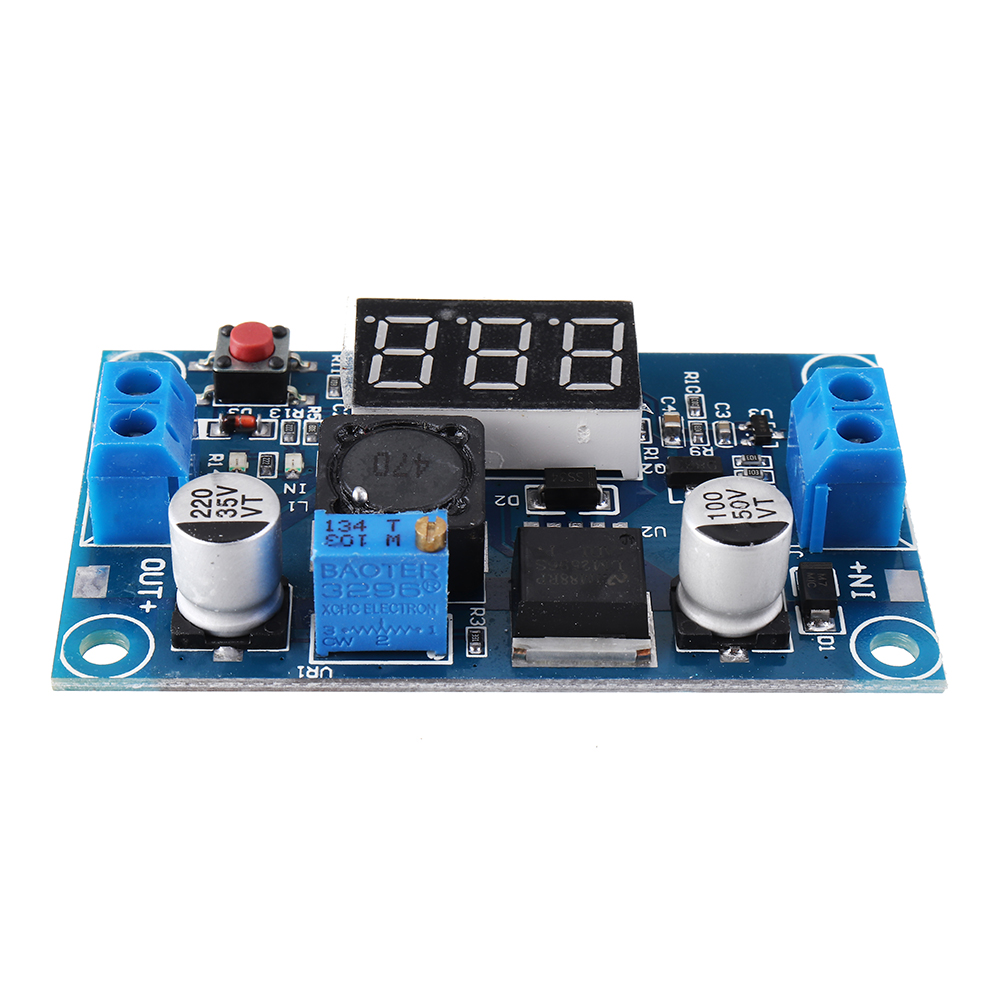
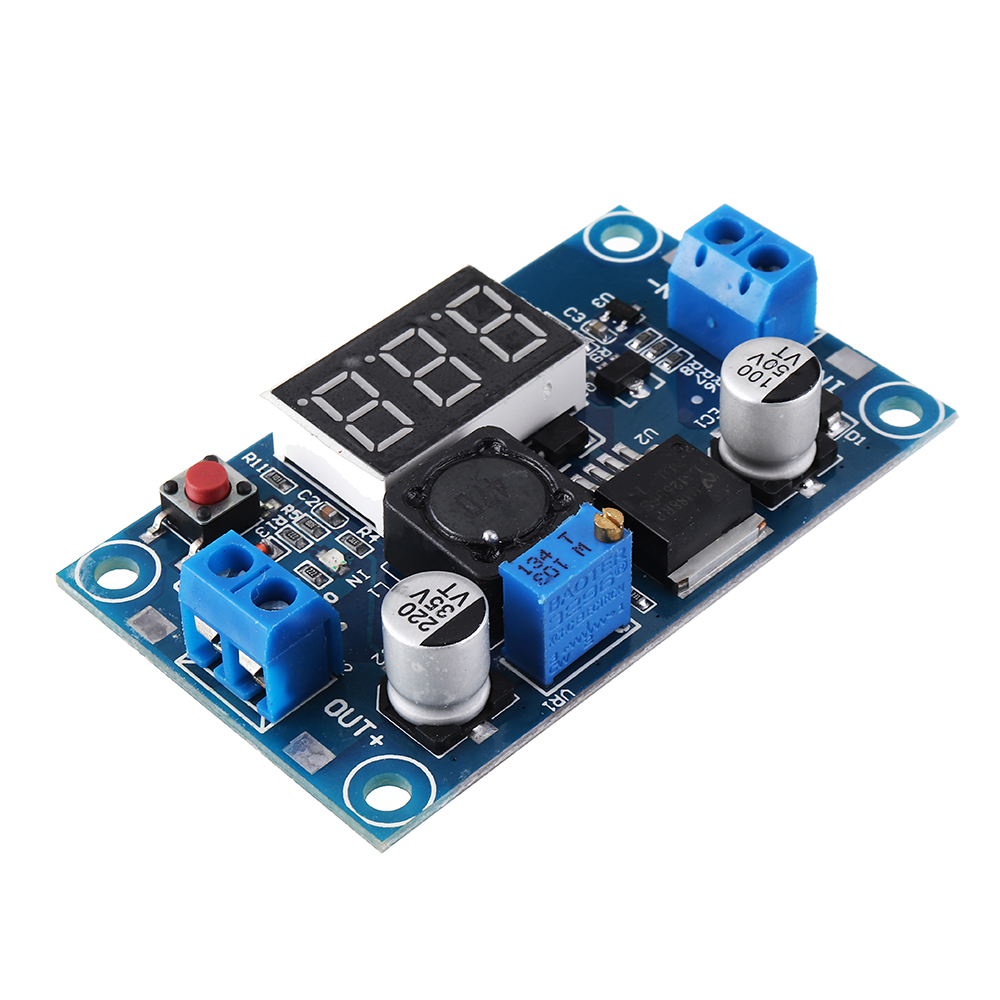
LM2596 DC-DC Voltage Regulator Adjustable Step Down Power Supply Module With Display — image 1
Hover to zoom

1 / 10 · Click to enlarge

Geekcreit

LM2596 DC-DC Voltage Regulator Adjustable Step Down Power Supply Module With Display

5.0890 ratings
AI Summary
Electronics for everyday users

The LM2596 DC-DC Voltage Regulator Adjustable Step Down Power Supply Module With Display by Geekcreit is a mid-range electronics designed for everyday users. Customers praise its easy to set up and use and fast and responsive. 100% of buyers rate it 4★ or above.

easy to set up and usefast and responsivecompact and portableaccurate and reliable
₹2,000
Free Shipping💵 COD Available

Available Offers

Free Delivery on this order. No minimum order value.

15-Day Easy Returns — hassle-free return & full refund.

Secure Payment — 100% safe checkout with UPI, Cards & Net Banking.

Total: ₹2,000
Buying tip: A well-rounded choice at a fair price. Recommended for most buyers.
Estimated delivery: 4 Aug18 Aug
Free Shipping
Pan India delivery
15-Day Returns
Hassle-free policy
Secure Payment
Razorpay protected
Quality Assured
Vetted products only

Available Offers

💳

5% Cashback

Pay with UPI & get 5% cashback (up to ₹50) via Razorpay

🏦

No-Cost EMI

Available on select bank cards at checkout. 0% interest for 3 months.

📦

Free Shipping

Free delivery on all orders. No minimum order value.

💵

Cash on Delivery

COD available on orders up to ₹5,000 across India.

Ideal For

Everyday convenience
Share:
SKU: bg-1005123Category: Electronics

About This Product

The LM2596 DC-DC Voltage Regulator Adjustable Step Down Power Supply Module With Display by Geekcreit is a mid-range electronics designed for everyday users. Customers highlight its easy to set up and use and fast and responsive.

Customer Verdict

100% of buyers rated this product 4 stars or above. The most appreciated qualities are: easy to set up and use, fast and responsive, compact and portable, accurate and reliable.

Why Buy from Pricio?

Pricio sources this product directly, cutting out multiple middlemen. Every order includes free shipping, a 15-day return policy, and secure payment via Razorpay.
Specification:
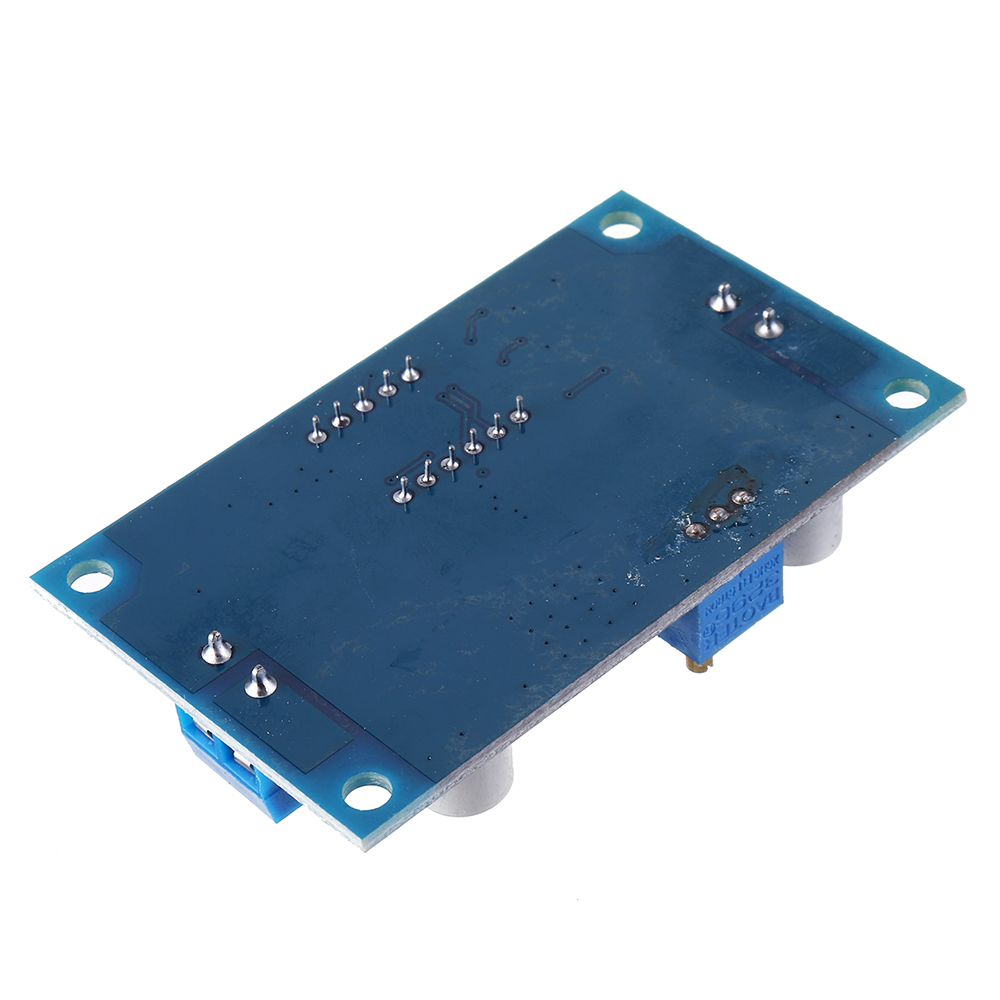
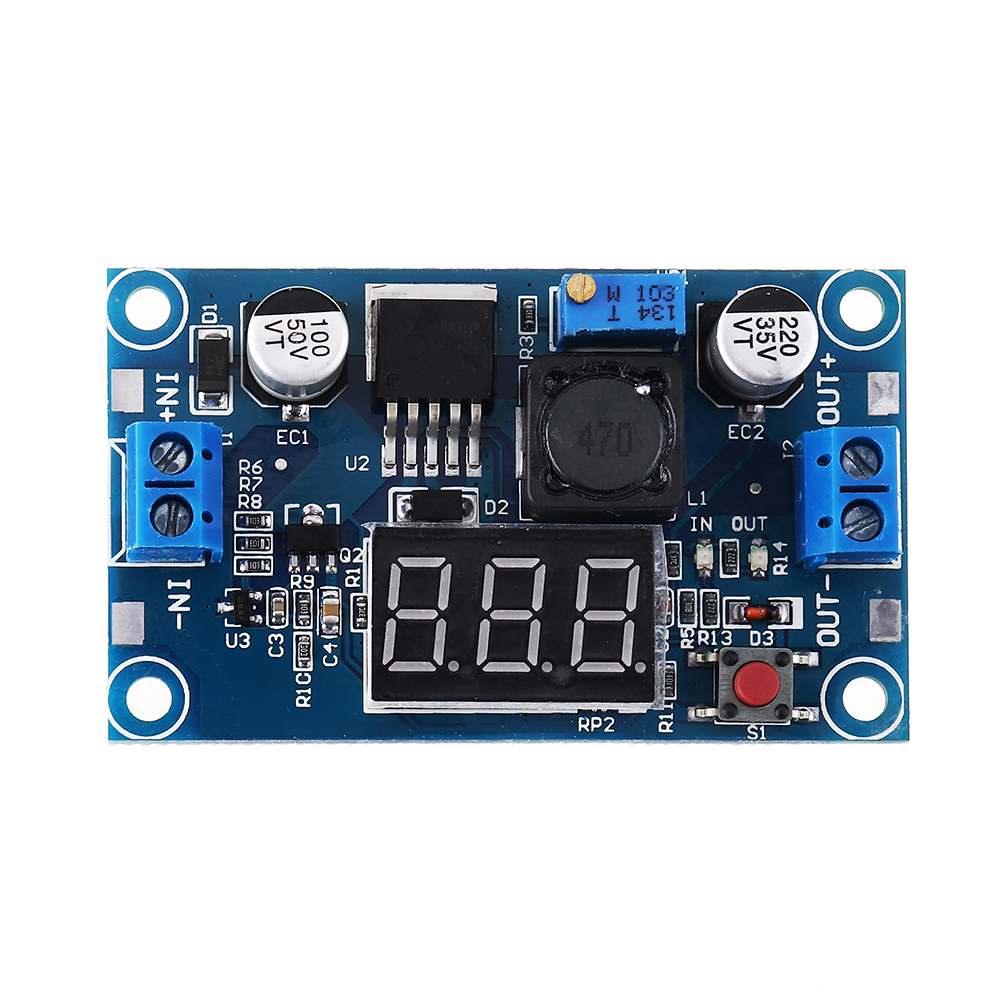
1. With the voltmeter shows voltage meter error ± 0.1V, the range 0-40V. (Note: To ensure the accuracy of the voltmeter, please ensure that the input voltage of 4V and above) 2. Touch the key to switch measuring input or output voltage, and has a light show which is being measured voltages 3. Power off memory function, show that road after power voltage values measured for the last time 4. Press the touch button for 3 seconds to turn off LED display, touch the button again to turn on the LED display 5. The band terminals, no iron can also be easy to use, and retention wire connection point 6. Input voltage 4.0-40V (input voltage to the output voltage must be higher than 1.5v.) 7. The adjustable output voltage range of 1.25V-37V continuously adjustable (input voltage must be higher than the output voltage to a high of about 1.5V) 8. The maximum output current up to 3A, normal and stable operating current of 2A 9. the internal oscillation frequency 150KHz, belonging to the second generation of switching voltage regulator, low power consumption, high efficiency 10. The current switching LEDs are red
Package Included:

1 x DC-DC step down voltage converter


Product Safety Information

Setup Guide

1
Identify the pins
Locate VCC (power), GND (ground), and data pins (SDA/SCL for I2C, MOSI/MISO for SPI, or TX/RX for UART). Refer to the pinout diagram on the product page.
2
Wire to your microcontroller
Connect VCC to 3.3V or 5V (check the module spec), GND to GND, and data pins to the appropriate GPIO pins on your Arduino or Raspberry Pi.
3
Install libraries
In Arduino IDE, go to Sketch → Include Library → Manage Libraries and search for the sensor library. Install the recommended version.
4
Upload example sketch
Open File → Examples → [library name] → Basic Example. Upload to your board and open Serial Monitor to view output.
5
Calibrate if needed
Some sensors (temperature, humidity, distance) may need a short warm-up period or calibration. Run the calibration sketch if provided.