

The Flipper Zero CC1101 SubGhz Module 433MHz Module Board by Flipper is a mid-range other module board designed for everyday users. Customers praise its excellent build quality and great value for money. 100% of buyers rate it 4★ or above.
Available Offers
Free Delivery on this order. No minimum order value.
15-Day Easy Returns — hassle-free return & full refund.
Secure Payment — 100% safe checkout with UPI, Cards & Net Banking.
30% Off — you save ₹894 on this product!
Available Offers
5% Cashback
Pay with UPI & get 5% cashback (up to ₹50) via Razorpay
No-Cost EMI
Available on select bank cards at checkout. 0% interest for 3 months.
Free Shipping
Free delivery on all orders. No minimum order value.
Cash on Delivery
COD available on orders up to ₹5,000 across India.
Ideal For
About This Product
The Flipper Zero CC1101 SubGhz Module 433MHz Module Board by Flipper is a mid-range other module board designed for everyday users. Customers highlight its excellent build quality and great value for money.
Customer Verdict
100% of buyers rated this product 4 stars or above. The most appreciated qualities are: excellent build quality, great value for money, fast and responsive, accurate and reliable.
Why Buy from Pricio?
Pricio sources this product directly, cutting out multiple middlemen. Every order includes free shipping, a 15-day return policy, and secure payment via Razorpay.
Description:
Elevate your security standards with the remarkable Flipper Zero CC1101 SubGhz 433Mhz. Designed for the tech-savvy and security-conscious, this device introduces an advanced era of protection. The SubGhz 433Mhz technology empowers your security systems with unparalleled reliability, ensuring secure communication over longer distances.
Specifications:
Built exclusively for Flipper Zero devices, the CC1101 SubGhz 433Mhz module seamlessly integrates into your existing setup. Its user-friendly interface simplifies the setup process, making it accessible even for those new to security technology.
Features:
1. Superior transmission range for wider coverage
2. Quick and easy installation with Flipper Zero compatibility
3. Trusted security performance backed by positive reviews
4. Comprehensive usage guide ensures effortless operation
5. Troubleshooting support for any unexpected issues
6. Ensure the utmost security for your premises, whether it's a residential property, office, or industrial space. Please note that while installation is straightforward, it's recommended to follow the usage guide to optimize performance. Invest in the future of security with the Flipper Zero CC1101 SubGhz 433Mhz.
Package Include:
1x Module Board (the Flipper is not includes)


Setup Guide
Cheaper Alternatives

4 Slots AA Battery Box Battery Holder Board with Switch for 4xAA Batteries DIY k
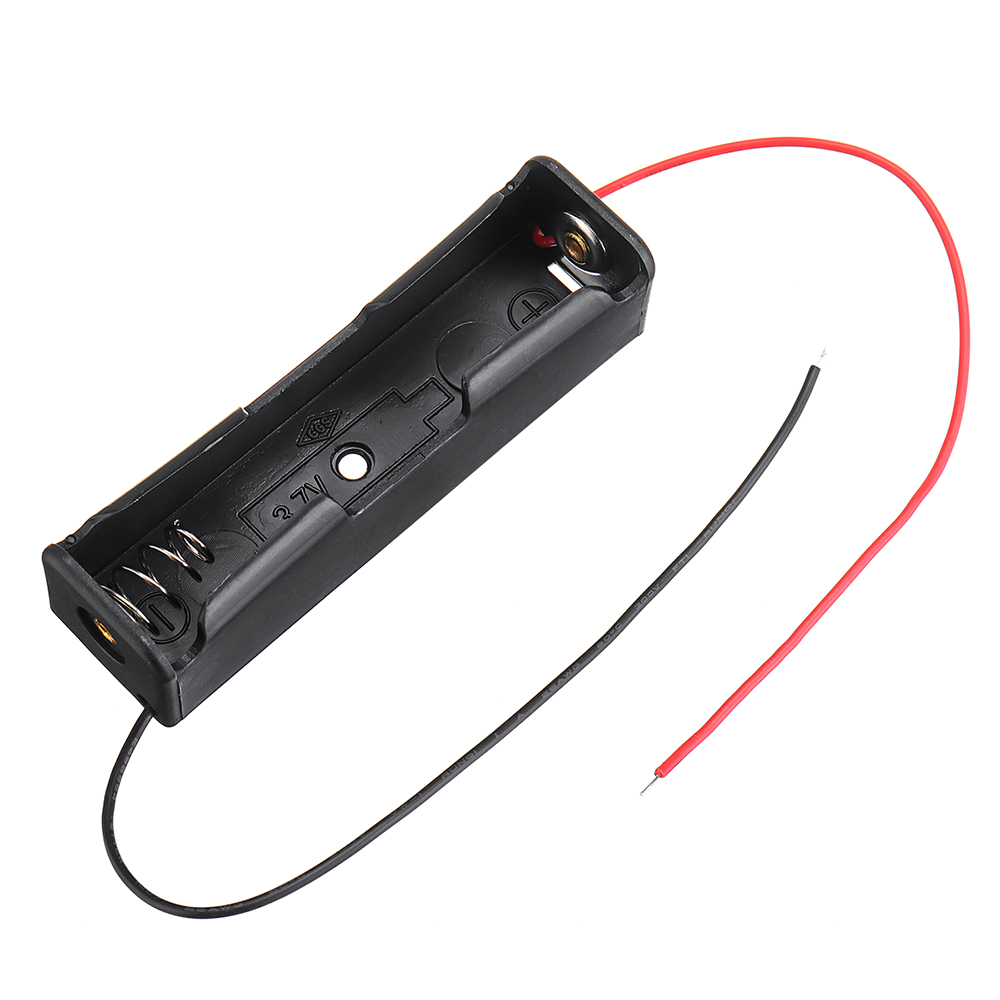
1 Slots 18650 Battery Box Rechargeable Battery Holder Board for 1x18650 Batteri

3pcs 1 Slots 18650 Battery Box Rechargeable Battery Holder Board for 1x18650 Batteries DIY kit Case
Upgrade Options

TL866 T48 Universal Programmer USB Multi-Interface Support 31000 Plus Chips NAND EMMC AVR PIC Adapter

LED2015 Music Spectrum Level Light Multi-mode DSP Equalizer EQ Voice Pickup Color Acrylic Shell

Maxgeek SSTC Mini Tesla Coil Music Double Class-E Solid State Tesla Coil Artificial Teaching Tool


